Problem Description
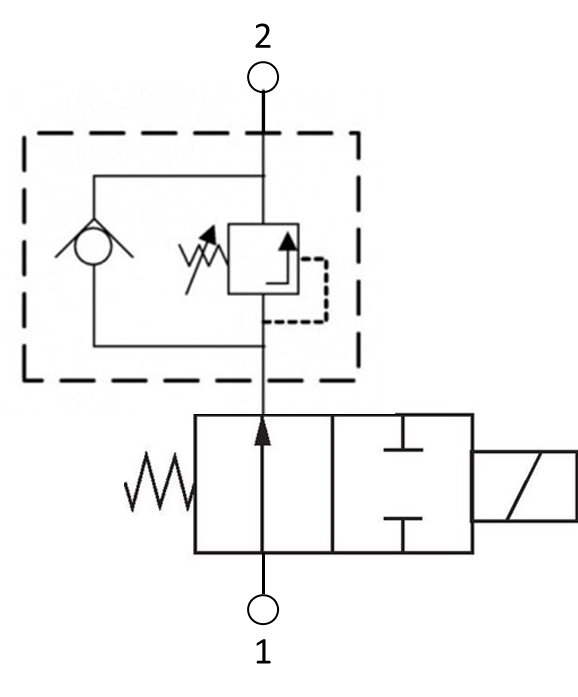
In many technical systems, it is necessary that a medium (e.g. air, water, or oil) is only supplied to the consumer once a defined minimum pressure has been reached. This ensures safe and reliable operation of the connected components.
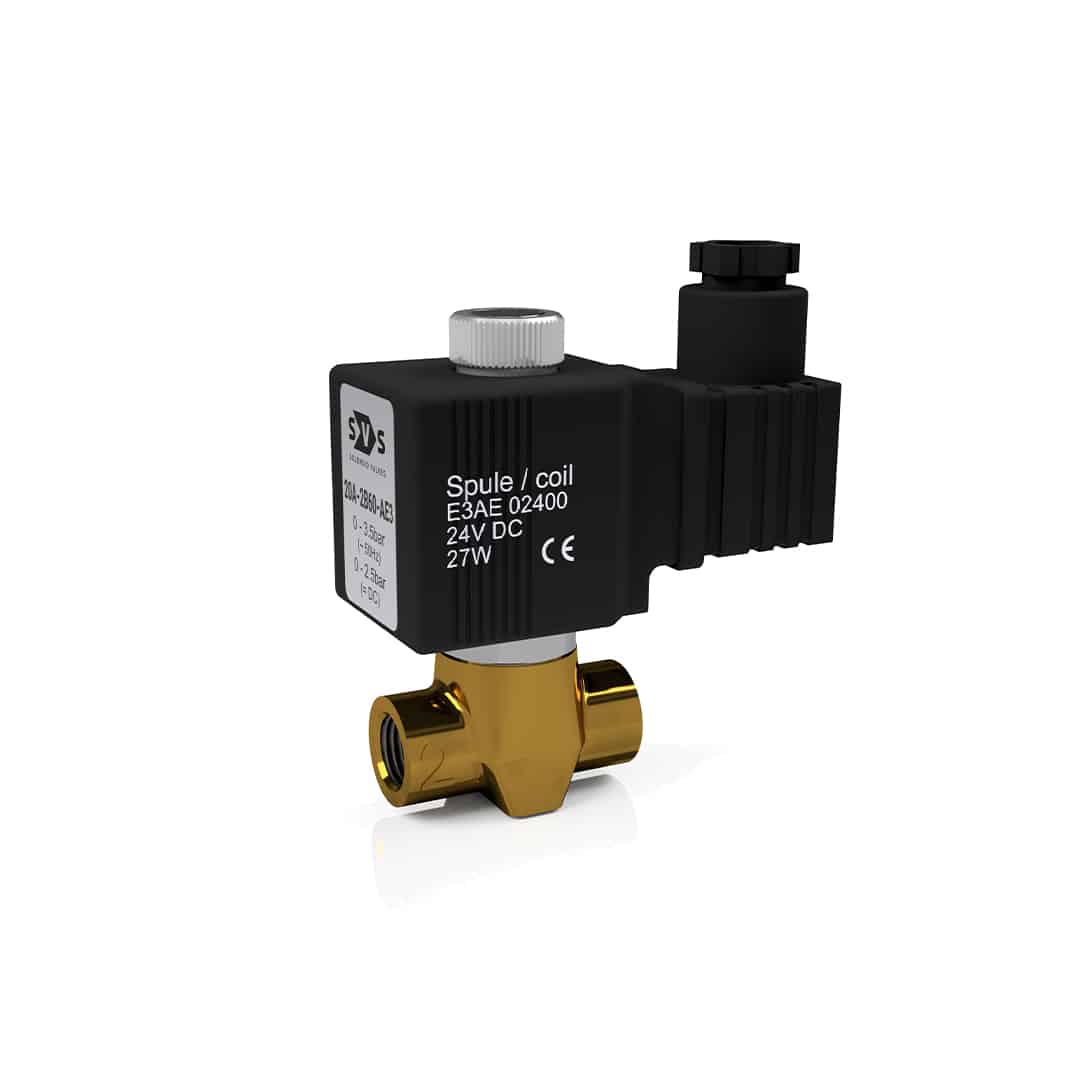
A solenoid valve is electrically actuated and controls the flow of a medium. It is characterized by fast switching times and is commonly used in automated systems.
A sequence valve (pressure-activated valve) ensures that a consumer is only supplied once a preset minimum pressure is available in the system. The valve opens and releases the flow only after this pressure has been reached.
The combination of both components enables precise control:
- The solenoid valve provides the electrical actuation.
- The sequence valve enables pressure-dependent release of the medium.
This solution is mainly used in pneumatic and hydraulic systems, for example in production machinery or automated control systems.
Advantages
- Protection of components against malfunction caused by insufficient pressure
- Ensures stable operating conditions
- Easy integration into automated processes
Practical Implementation
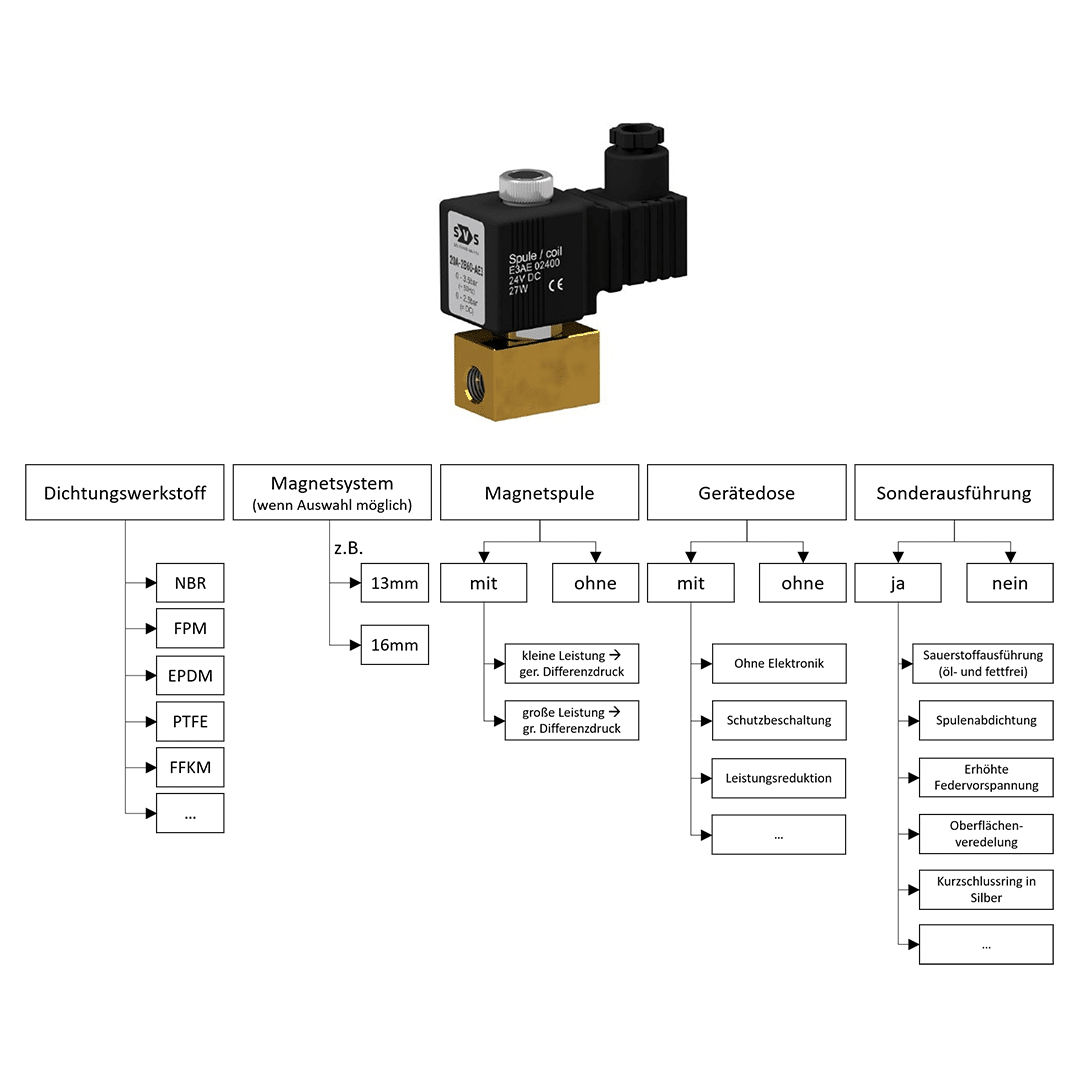
At SVS-Automation, two different solution concepts are being developed for this application. The combination can be implemented with both NC valves (normally closed) and NO valves (normally open).
1. Precise Pressure Adjustment
For highly accurate pressure adjustment, the sequence valve is developed, manufactured, and calibrated as a separate component. It is then integrated into a solenoid valve solution, for example by using a common valve body.
Advantage:
- Very precise adjustment of the opening pressure
2. Cost-Efficient Solution
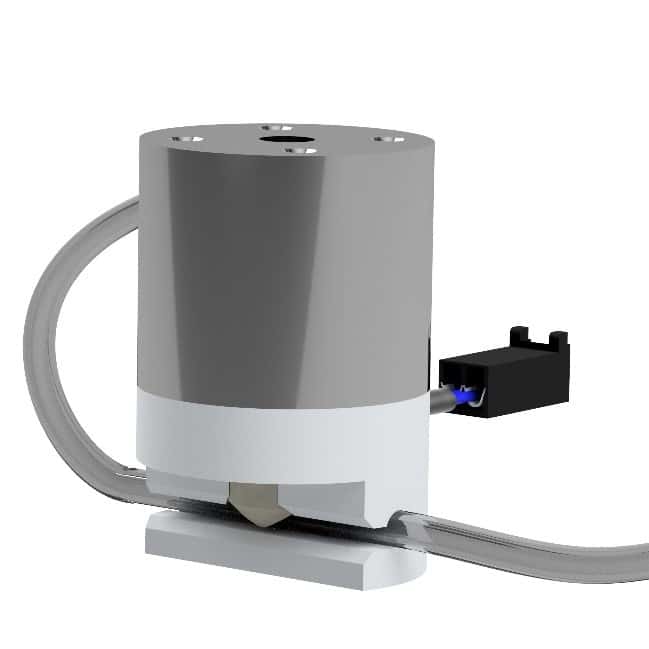
A more economical solution uses a spring-loaded sealing disc that closes the nozzle of the solenoid valve.
Operating principle:
- If the pressure below the nozzle is insufficient, the spring keeps the valve seat closed.
- The valve only opens once the pressure force exceeds the spring force.
Advantages:
- Compact design
- Cost-effective implementation
Disadvantage
- Larger tolerances in the opening pressure due to spring tolerances