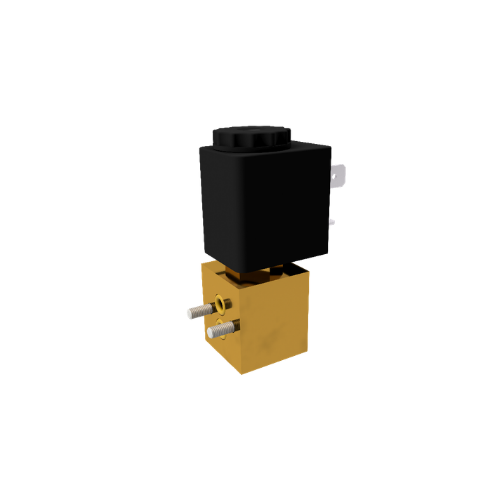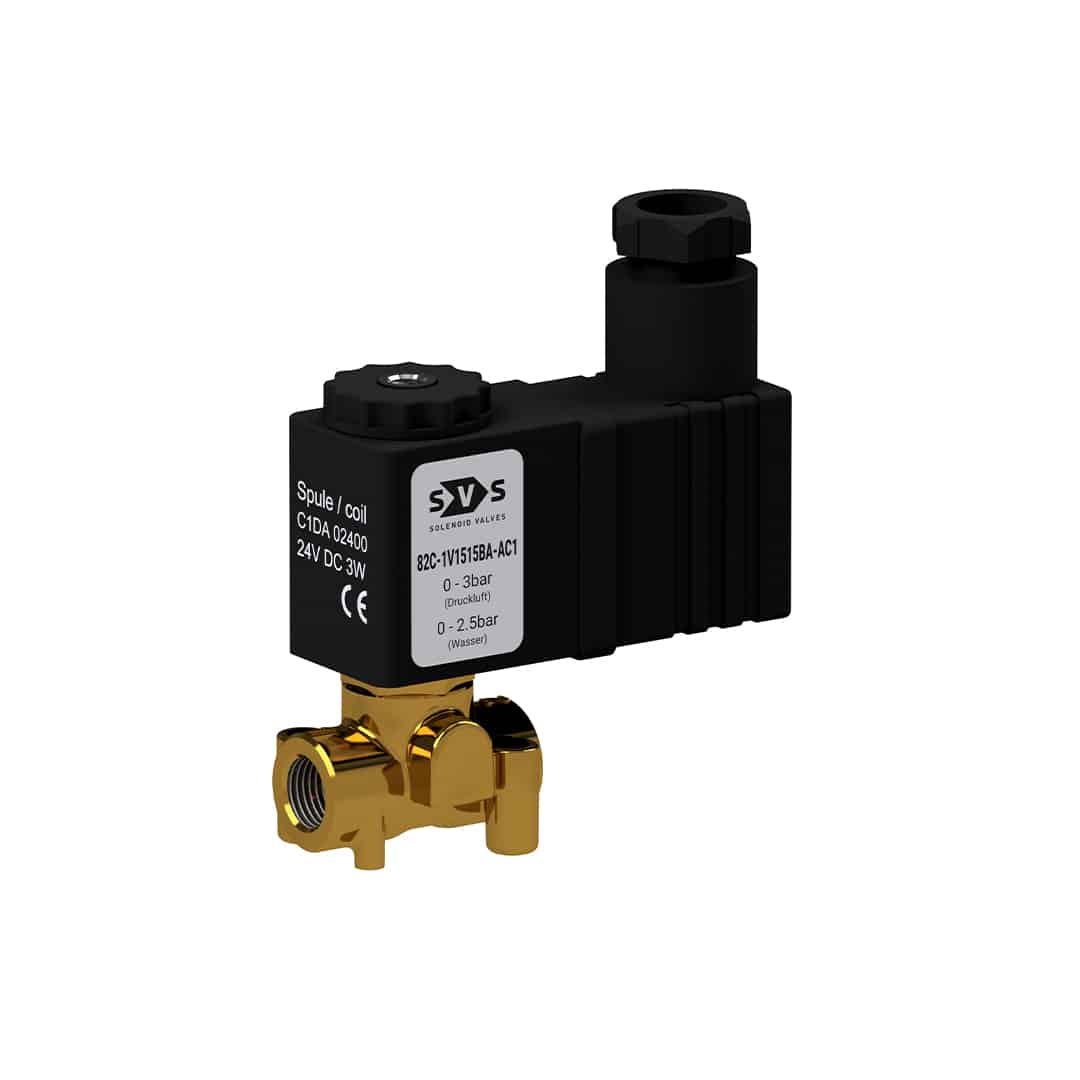
Pilot valves play a key role in pneumatic and fluid control systems whenever larger flow rates or higher pressures need to be controlled. Instead of actuating the main valve directly, a pilot valve controls the movement of the main valve element, such as the main plunger, piston or diaphragm. This allows a comparatively small actuating force to operate a significantly larger valve.
Pilot Valves in solenoid valves
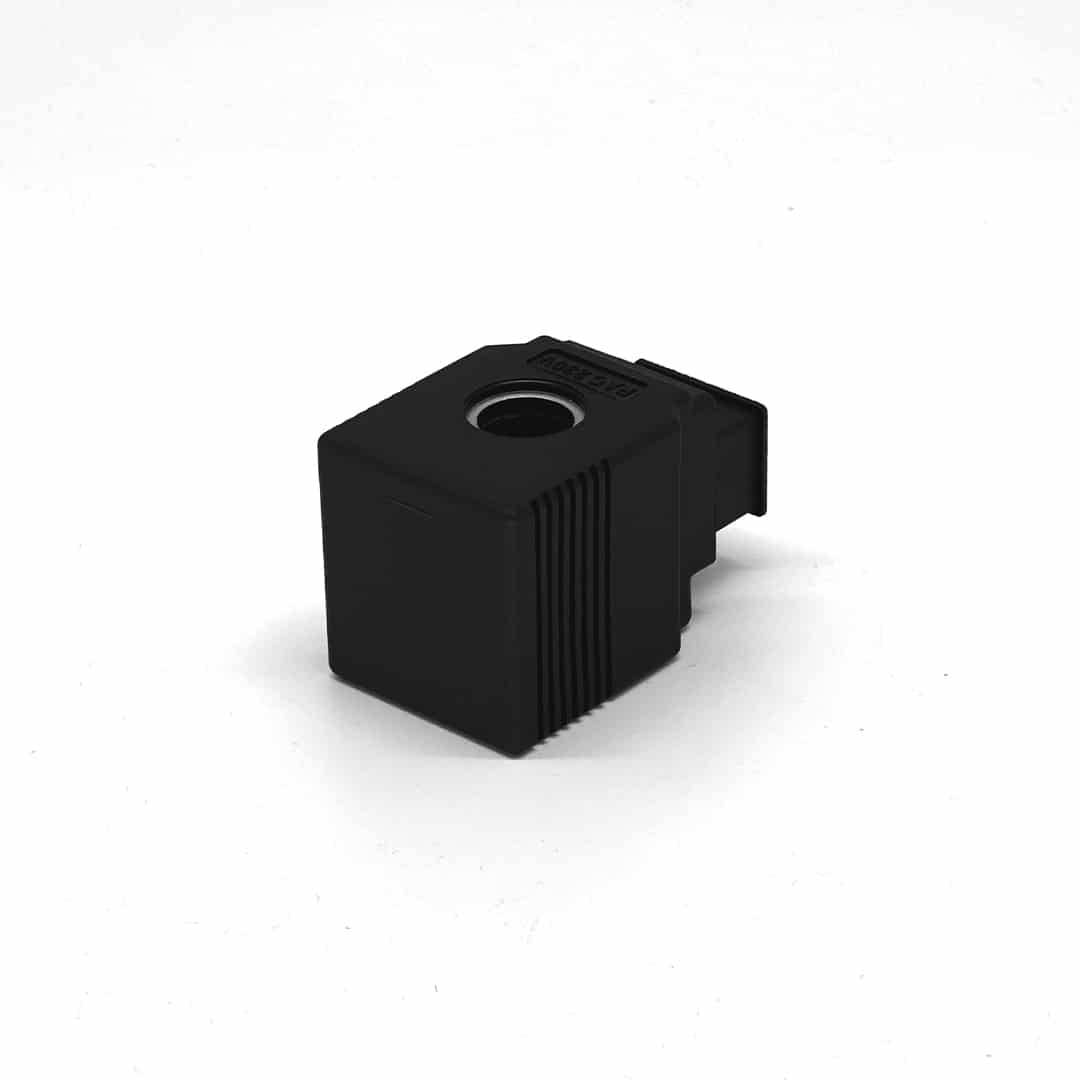
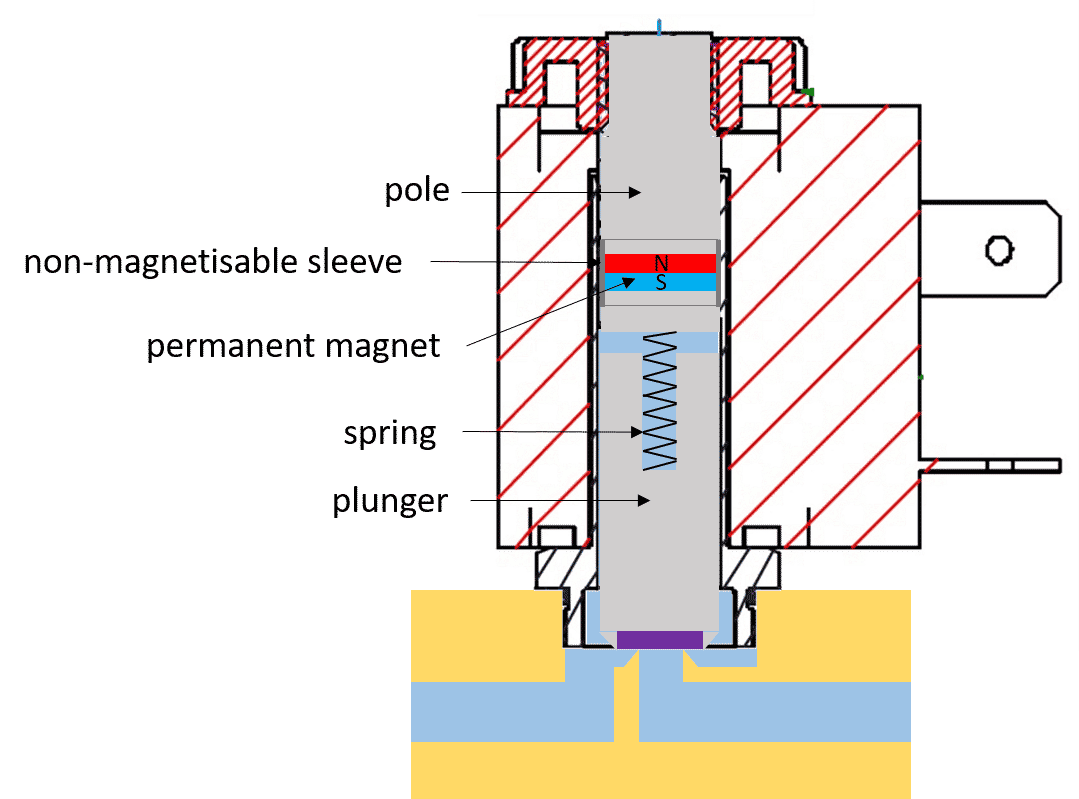
In solenoid valves, the pilot valve is typically actuated by an electromagnetic coil. The solenoid initially opens or closes only a small pilot orifice. The resulting pressure differential then actuates the main valve. This operating principle allows the use of smaller solenoid coils, reduces power consumption and enables the switching of significantly higher flow rates and pressures.
Pilot Valves in pneumatically operated valves
Pneumatically operated valves also frequently employ pilot control. In this case, the pilot pressure is supplied by a separate pneumatic control signal, which shifts the main piston or diaphragm into the required switching position. A small pilot solenoid valve is typically used to switch the compressed air supply on and off.
These valves are widely used in automated systems because they reliably control high flow rates while being easy to integrate into pneumatic control systems.
Summary
Pilot valves make it possible to operate large process valves with only a small control force. They provide an energy-efficient, fast and reliable switching solution and are therefore an essential component of modern pneumatic and solenoid valve systems.
Pilot Valve Solutions from SVS-Automation
SVS-Automation manufactures a wide range of pilot valves. Many versions are available with standardized mounting interfaces, while others are custom-designed to meet specific customer requirements.
Typical configurations include:
- 3/2-way or 2/2-way pilot valves
- Orifice sizes from 1.0 mm to 2.0 mm
- Aluminium or brass bodies
- With or without manual override