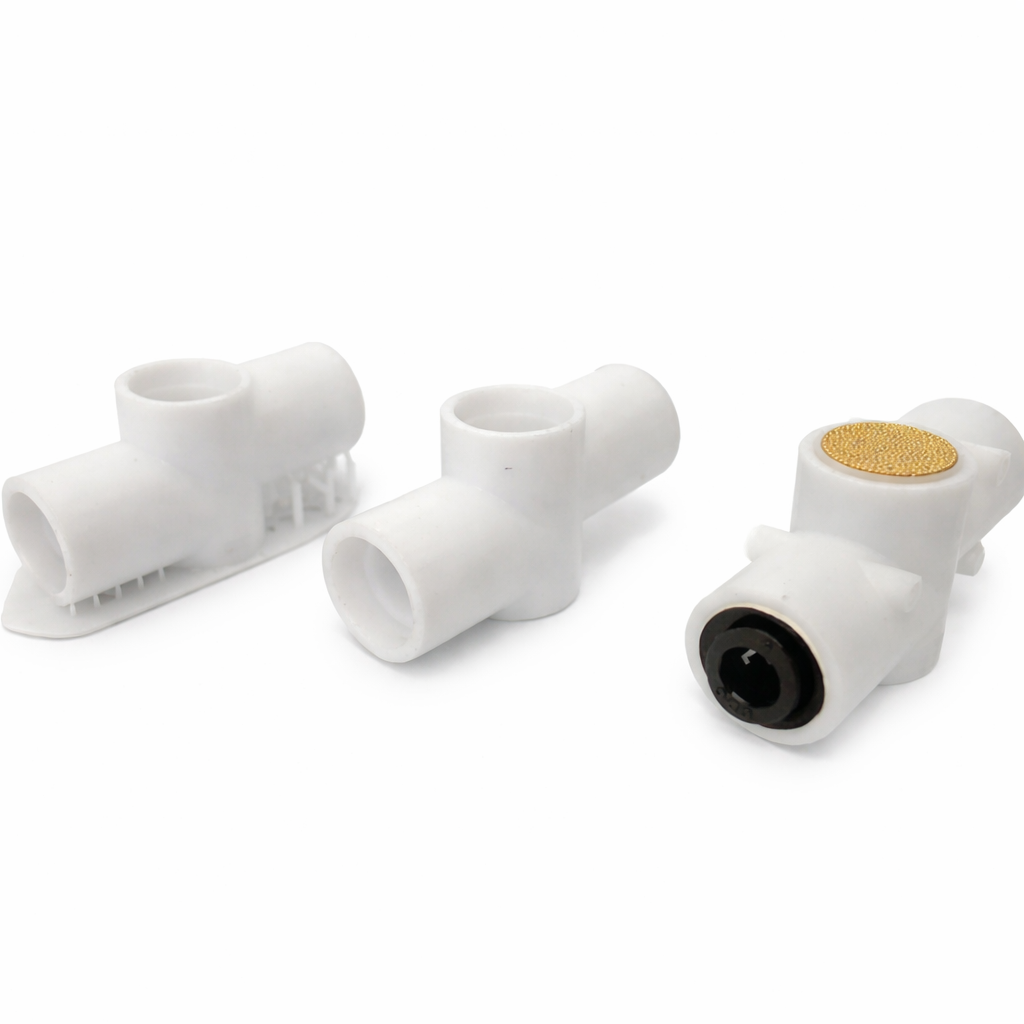
In recent years, 3D printing has become an important technology in product development. Using the so-called additive manufacturing process, components can be built directly from digital models layer by layer in a simple and time-efficient manner. In a figurative sense, this allows an idea to be transformed into a physical model at the push of a button.
At SVS-Automation, 3D printing offers us several possibilities:
Prototype Development
One major advantage of 3D printing lies in rapid prototype development. 3D printing allows models to be produced physically, enabling immediate product testing and, if necessary, subsequent design adjustments. This significantly shortens development times and allows errors to be identified at an early stage.
Manufacturing of Tools
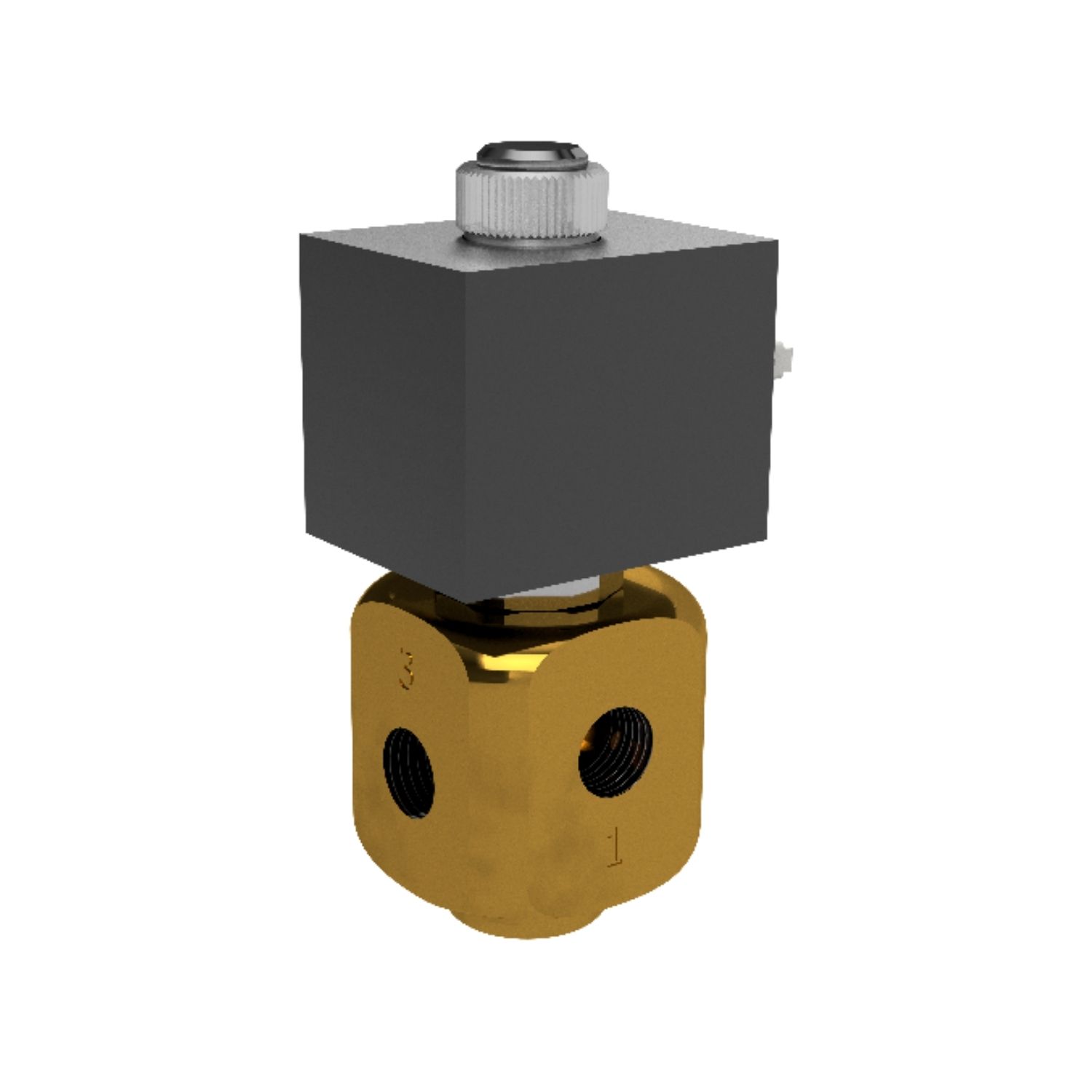
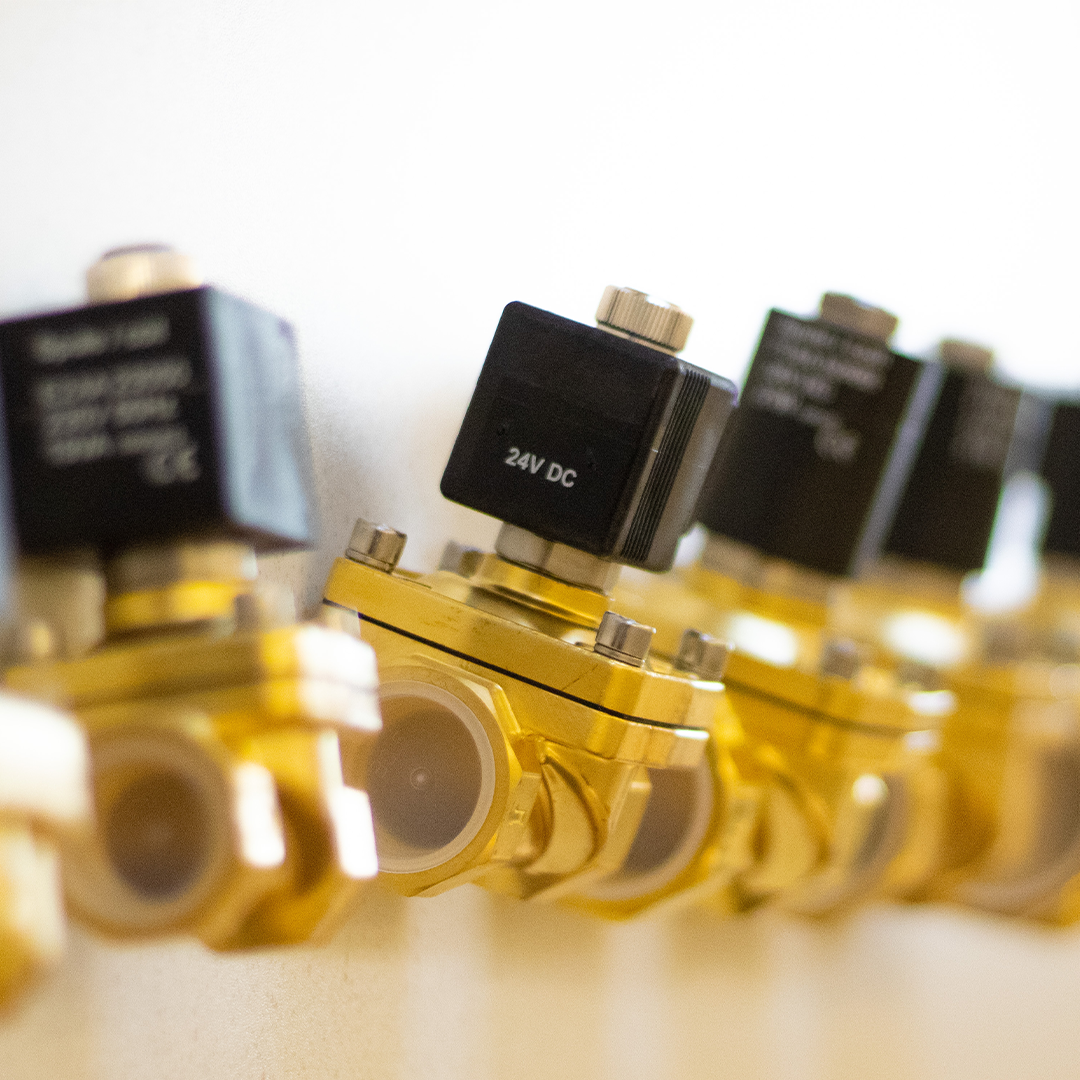
3D printing is also particularly useful for the production of tools as aids for assembly processes. For example, a negative mold to ensure the secure positioning of a complex structure such as a valve body can be realized much more easily using additive manufacturing methods than with conventional subtractive machining.
Production of Complex Geometries
Furthermore, 3D printing enables the production of complex geometries that would be difficult or even impossible to manufacture using traditional production methods. This opens up new possibilities in design and in the functional integration of components.
Use of the Heated Chamber of an FDM 3D Printer
Industrial versions of FDM 3D printers often feature not only heated build plates but also a heated build chamber.
At SVS-Automation, we have already used these capabilities in a creative way by simulating ambient temperature using the build chamber heating and medium temperature using the heated build plate, thereby reproducing the operating conditions of a valve as realistically as possible.
Limitations of 3D Printing
Despite its many advantages, 3D printing also has certain limitations, particularly with regard to material selection, surface quality, and component strength:
- FDM printers often exhibit issues with dimensional accuracy and surface finish.
- When using SLM printers, problems frequently arise due to support structures affecting surface quality, as well as deformed models resulting from the manufacturing process.
- The use of SLS printers typically requires appropriate safety measures due to the powders used and can lead to surface quality issues caused by the sintering process.
Nevertheless, the technology continues to evolve and is becoming increasingly important. Overall, the use of 3D printers in development represents a significant step toward more innovative and efficient development processes.